
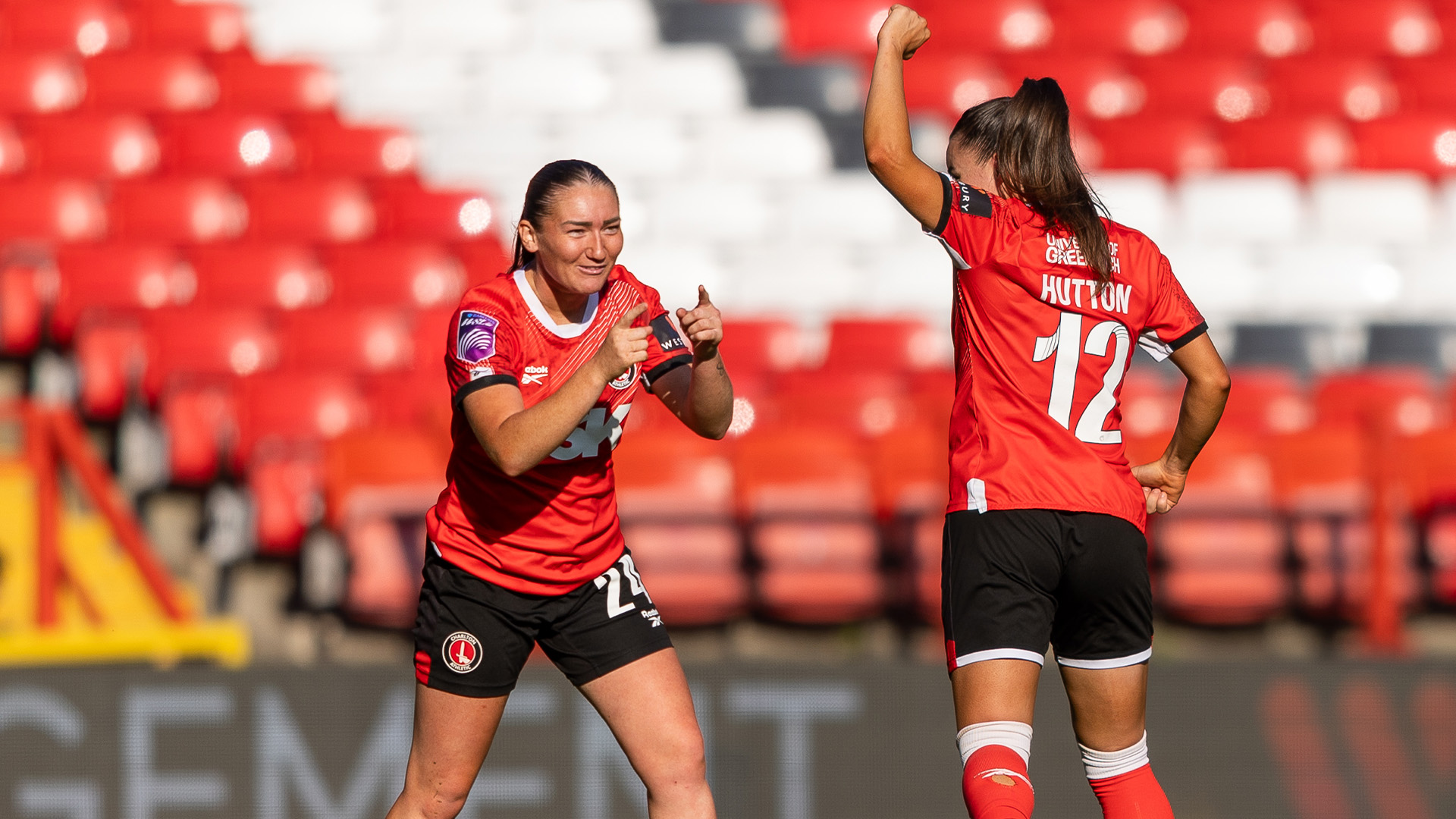

In a landmark development for women’s sport, the second-tier of England’s women’s football structure — the Barclays Women’s Super League 2 (BWSL2) — has officially been recognised as fully professional, and players are now eligible for membership of the country’s main trade union, the Professional Footballers’ Association (PFA).
The change represents more than a procedural update. It signifies the recognition that the women’s game has matured. For years, only the top-tier women’s league (BWSL) was considered professional; BWSL2 had semi-professional status. Now the rules, resources and governance are being elevated to match.
According to officials from WSL Football, which oversees both top divisions, the move follows the findings of an independent review chaired by Karen Carney and commissioned by the UK government. That review highlighted pay, maternity support, risk of injury, and contract clarity as key gaps in the women’s game.
Holly Murdoch, chief operating officer at WSL Football, stated: “This is a significant step in our ambition to provide world-class support for every player in both tiers, not just those in the top division.” The PFA’s CEO, Maheta Molango, added that players now have access to the union’s full suite of services , legal support, health and welfare, collective bargaining — for the first time.
For players in BWSL2, many of whom had to balance football with other jobs, the change could bring stability, clearer career paths and better conditions. For clubs and backers, it signals a readiness to invest. As one second-tier club manager commented: “We’ve long wanted to be taken seriously , this gives us the infrastructure and credibility.”
In broader terms, the decision reflects a trend across women’s sports, paid, professional structures replacing amateur or ad-hoc models. When a league builds rights, representation, and welfare into its foundation, athletes are better supported and the sport is more sustainable.
The professionalisation of England’s BWSL2 marks a transformational moment. It isn’t simply a status upgrade—it is a statement of intent. For women’s football in England, and globally, it signals that growth is expected, talent is respected and the business of the game is being taken seriously.