

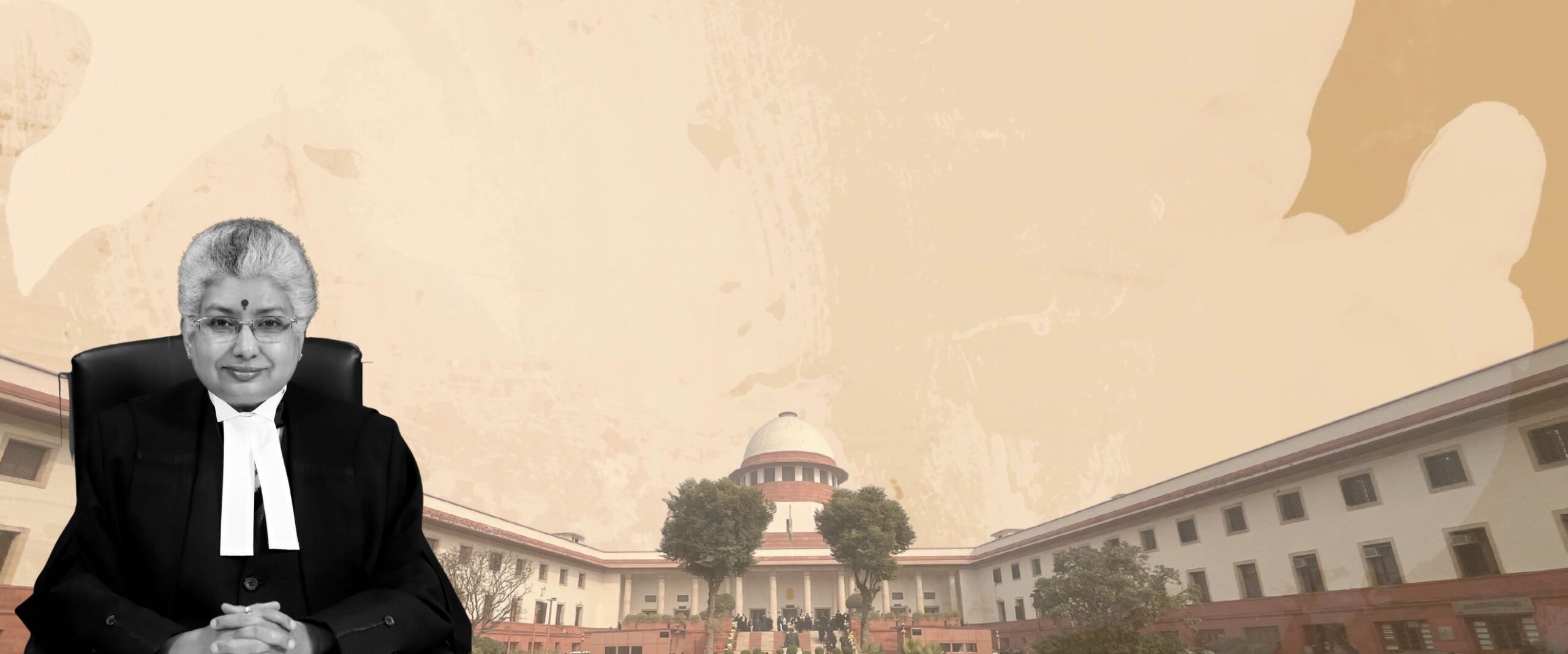

New Delhi, August 2025 — Justice B.V. Nagarathna has raised a rare dissent within the Supreme Court collegium regarding the recommendation to elevate Justice Vipul Manubhai Pancholi to the Supreme Court. Justice Nagarathna, the only woman on the collegium, expressed concerns about seniority, regional representation, and the transparency of the appointment process.
The collegium, led by Chief Justice B.R. Gavai, approved the elevation of Justice Pancholi in a four to one majority. Justice Nagarathna disagreed with the decision, highlighting that several more senior judges had been overlooked and that the recommendation could affect the balance of representation from different high courts.
Her dissent also touches upon the circumstances of Justice Pancholi’s transfer from the Gujarat High Court to the Patna High Court in 2023. She has requested that the collegium review the relevant records, suggesting that the transfer may have implications for his eligibility for elevation.
Justice Nagarathna’s main points of concern include seniority, regional representation, and maintaining public trust in the judiciary. She noted that Justice Pancholi is ranked 57th in the all-India seniority list of High Court judges and that other judges with equal or higher merit were bypassed. She also raised the issue of Gujarat High Court having three judges on the Supreme Court while many other high courts remain underrepresented.
This dissent is significant because public disagreements within the collegium are uncommon. It brings attention to the need for transparency in judicial appointments and reinforces the importance of merit, seniority, and fair regional representation. Justice Nagarathna, who is expected to become India’s first female Chief Justice in the future, adds further weight to the discussion about gender and diversity in the judiciary.
The collegium’s recommendation still requires government approval. Whether Justice Pancholi will be appointed despite the dissent is yet to be decided. The episode has sparked calls for greater openness in the judicial appointment process, with advocacy groups emphasizing the need for clear communication about the criteria and reasons behind such recommendations.