

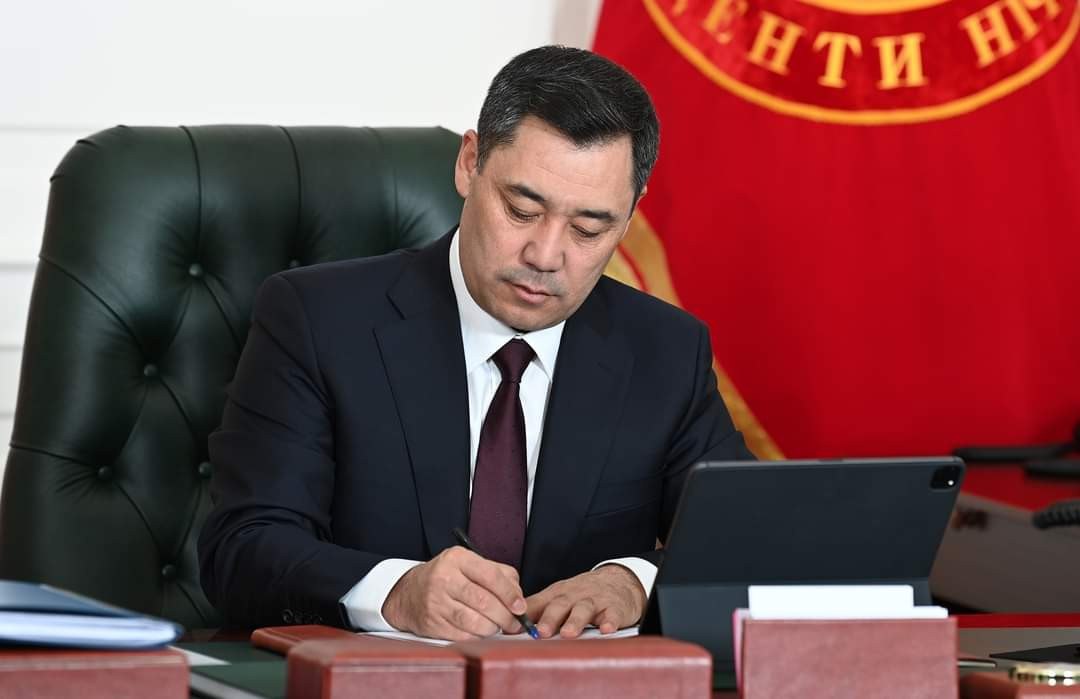

Kyrgyzstan’s President Sadyr Japarov has announced plans to reinstate the death penalty for the most severe crimes committed against women and children, including rape and murder, following a tragic incident that has stirred widespread anger and grief across the nation.
The proposal comes in response to the murder of a teenage girl, a case that has reignited discussions on gender-based violence and the country’s justice system. The crime sparked public protests demanding stricter punishments and stronger legal protection for women and minors.
President Japarov, in a national address, said that crimes such as rape of minors and rape followed by murder must face “the highest level of accountability.” He emphasized that the proposal seeks to ensure justice for victims and deter future offenders.
“When innocent children and women are brutally harmed, society cannot stay silent. The law must protect the most vulnerable,” the President stated.
If implemented, the measure would reverse Kyrgyzstan’s moratorium on capital punishment, which has been in place since 1998. Human rights organizations have raised immediate concerns, warning that reinstating the death penalty could violate international human rights agreements signed by the Central Asian nation.
Legal experts note that the proposal will need parliamentary approval before becoming law. It also raises constitutional and moral questions about the role of the state in administering capital punishment.
Human rights advocates, including Human Rights Watch and Amnesty International, have urged the government to strengthen the justice system and support victims rather than resorting to extreme penalties. “Ending violence against women requires deep legal reform, education, and enforcement—not a return to executions,” a spokesperson from Amnesty International commented.
However, many Kyrgyz citizens have expressed support for the move, saying that current punishments are too lenient and that victims’ families rarely receive justice. Social media platforms across the country have been flooded with messages backing the President’s stance and calling for urgent reforms.
As the government drafts the legislation, Kyrgyzstan finds itself at the crossroads between public demand for justice and international expectations on human rights. The coming weeks will likely determine how the country balances these competing pressures in the face of rising violence against women and children.