

A new research study has revealed a remarkable and often overlooked fact—women are the driving force behind Africa’s rapidly expanding insect-farming industry, a sector now seen as one of the most sustainable solutions to food insecurity and climate change.
Across nations like Kenya, Uganda, Ghana, and Nigeria, women are leading every stage of this new agricultural movement. They collect, process, roast, and market edible insects, transforming what was once a traditional food source into a thriving modern enterprise. Their efforts are creating jobs, supporting households, and promoting ecological balance.
Researchers have found that women dominate the insect value chain, yet often do so without sufficient recognition or financial support. Many lack access to resources, modern equipment, or training that could help scale their operations. Despite these challenges, women’s ingenuity continues to fuel the sector’s growth, turning small community projects into profitable businesses.
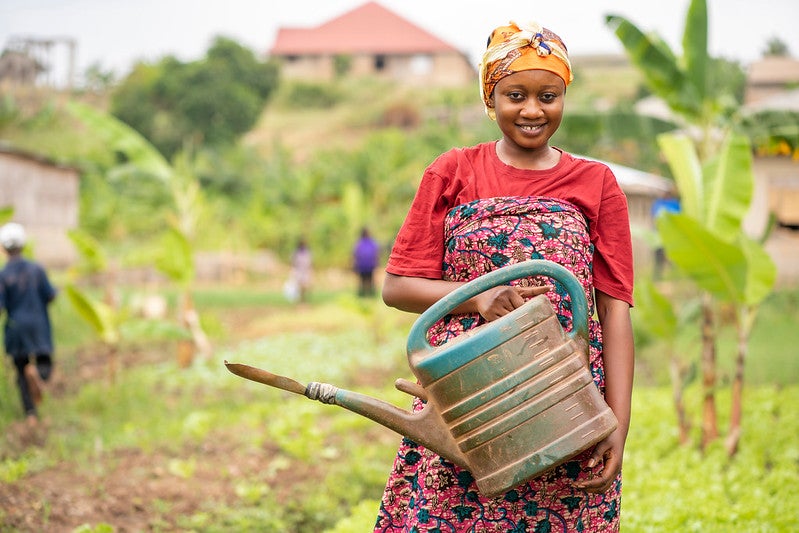
The rise of insect-based food has opened new opportunities for women entrepreneurs, especially in rural regions where agriculture is the backbone of daily life. Women are using this platform not only to earn income but also to redefine their roles within their communities.
As the world searches for sustainable food sources to feed a growing population, Africa’s women are proving that innovation can emerge from tradition. Their leadership in insect farming is more than an economic story—it’s a narrative of empowerment, resilience, and transformation.