

Why women-led D2C brands are winning
Across beauty, fashion, wellness, home, and kids’ categories, women founders are building brands that feel human: problem-first product design, transparent storytelling, and community-led growth. India’s digitally native shoppers want authenticity, efficacy, and a brand voice they can relate to. Women founders are delivering all three—with sharp merchandising, smart unit economics, and content that educates as much as it sells.
Table of Contents
Spotlight: Founders and the brands they’ve built
- Falguni Nayar (Nykaa): Proved Indian beauty retail could be both curated and mass-affordable.
- Vineeta Singh (SUGAR): Designed for humidity, wear-time, and shades that match—details matter.
- Ghazal Alagh (Mamaearth): Built trust with ingredient transparency and mom-first storytelling.
- Malika Sadani (The Moms Co.): Community-validated products reduced trial fear.
- Richa Kar (Zivame): Made fit education mainstream and shopping discreet.
- Neha Kant (Clovia): Data-led design kept inventory lean.
- Ayushi Gudwani (FableStreet): Solved workwear fit for Indian women.
- Tanvi Malik & Shivani Poddar (FabAlley/Indya): Fast fashion meets Indian silhouettes—speed as a feature.
- Disha Singh (Zouk): Vegan, Indian prints, and proud “Made in India” story.
- Aarti Gill (OZiva): Science + clean nutrition with clear benefits.
- Shauravi Malik & Meghana Narayan (Slurrp Farm): Revived ancient grains for modern kids.
- Shubhra Chadda (Chumbak): Turned a quirky aesthetic into a lifestyle ecosystem.
- Pooja Dhingra (Le15): Built desirability with craft and candor.
Beauty & Personal Care
Falguni Nayar — Nykaa
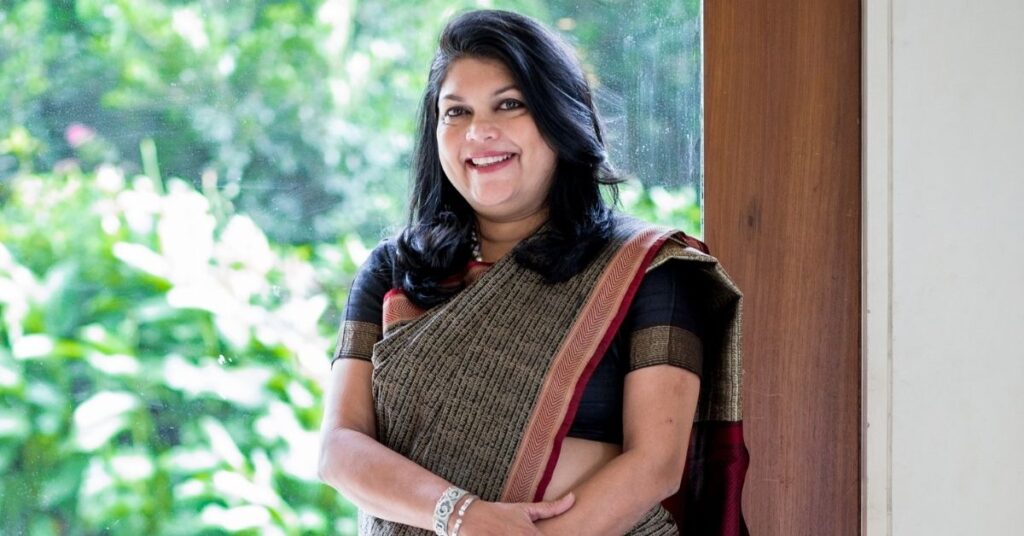
An investment banker turned entrepreneur, Nayar bet early on category depth, shade ranges for Indian skin tones, and a marketplace + private label model. She used content, creators, and offline stores to build trust at scale.
Lesson: Win discovery with education; win retention with selection and quality.
Vineeta Singh — SUGAR Cosmetics
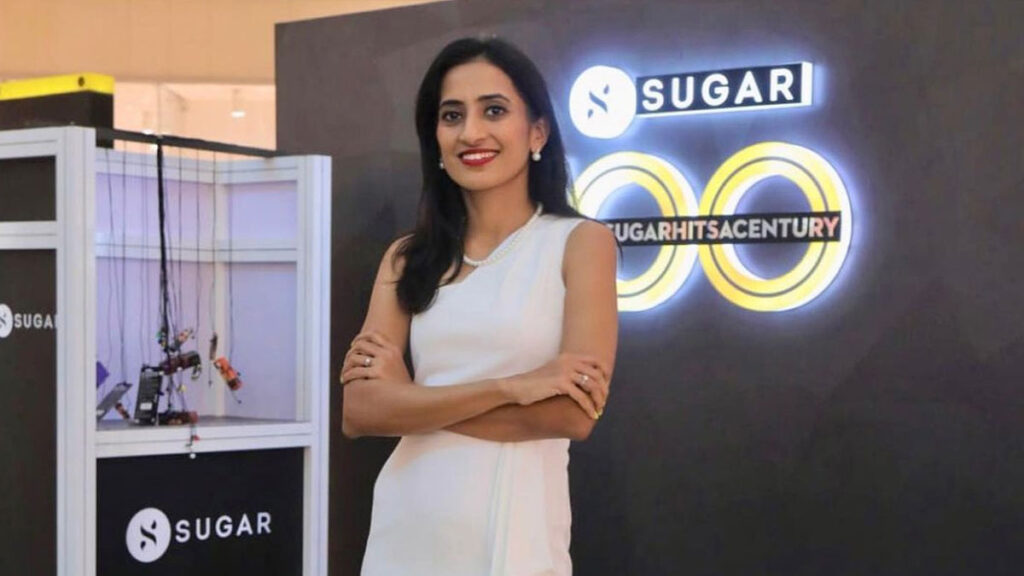
SUGAR built for Indian climates and complexions—matte textures that don’t budge, shades that actually match. The brand’s voice is sassy yet functional, and distribution spans D2C, marketplaces, and modern trade.
Lesson: Product-market-founder fit matters; make your tone of voice a moat.
Ghazal Alagh — Mamaearth (Honasa Consumer)
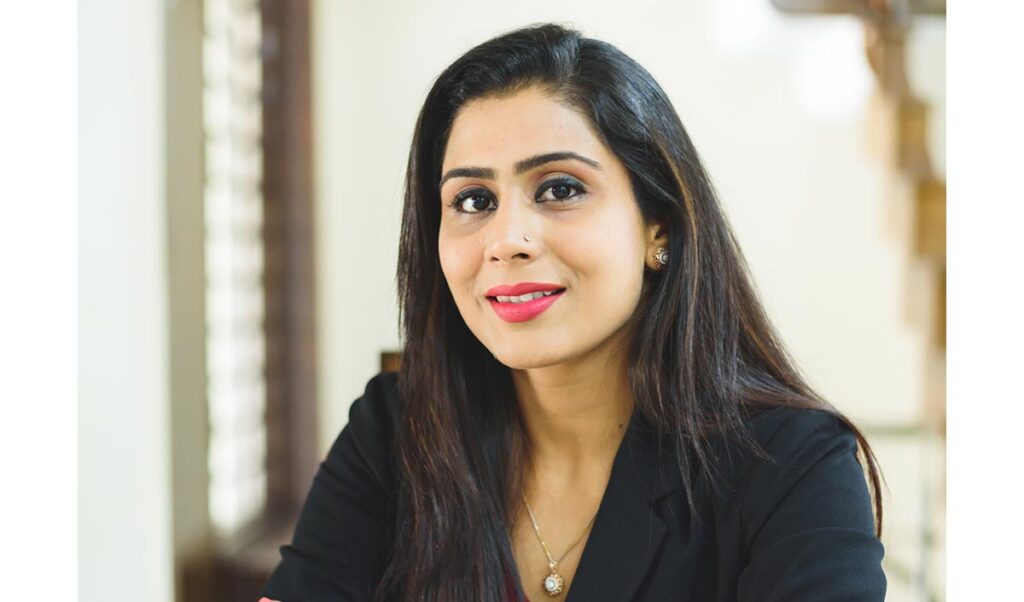
Mamaearth rode the “safe, toxin-free” wave with transparent ingredient lists and fast innovation cycles across baby, skin, and hair care. Influencer-led education helped reduce trial anxiety.
Lesson: Codify trust—clean labels, clear claims, and quick feedback loops.
Malika Sadani — The Moms Co.

Born from a mother’s need for safe products, the brand scaled through community groups, strong reviews, and dermatologist-tested SKUs.
Lesson: A tight founder-problem narrative can compound word of mouth.
Aarti Gill — OZiva
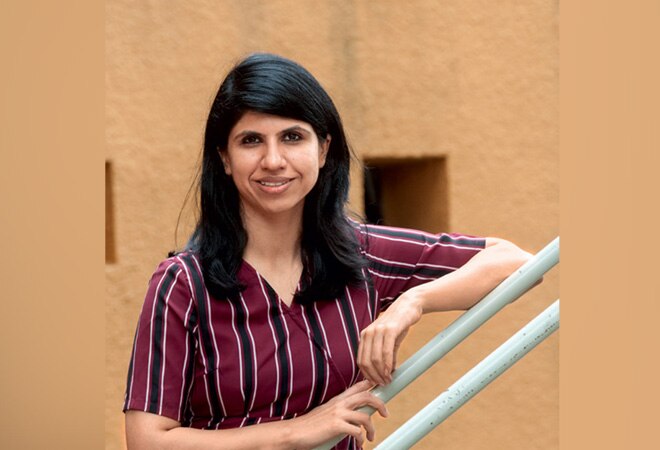
Bridging nutrition and beauty from within, OZiva popularized clean, plant-based supplements with clear benefit-led positioning.
Lesson: In crowded categories, marry science with storytelling.
Fashion, Accessories & Intimate Wear
Richa Kar — Zivame

Zivame normalized conversations around fit and comfort in intimate wear, pioneering online fittings, size diversity, and discreet delivery.
Lesson: Solve for taboo + logistics, and you unlock new demand.
Neha Kant — Clovia
Clovia blended style with fit tech, using data to manage styles and inventory while keeping price points accessible.
Lesson: Use data to guide design; don’t let trends bloat inventory.
Ayushi Gudwani — FableStreet
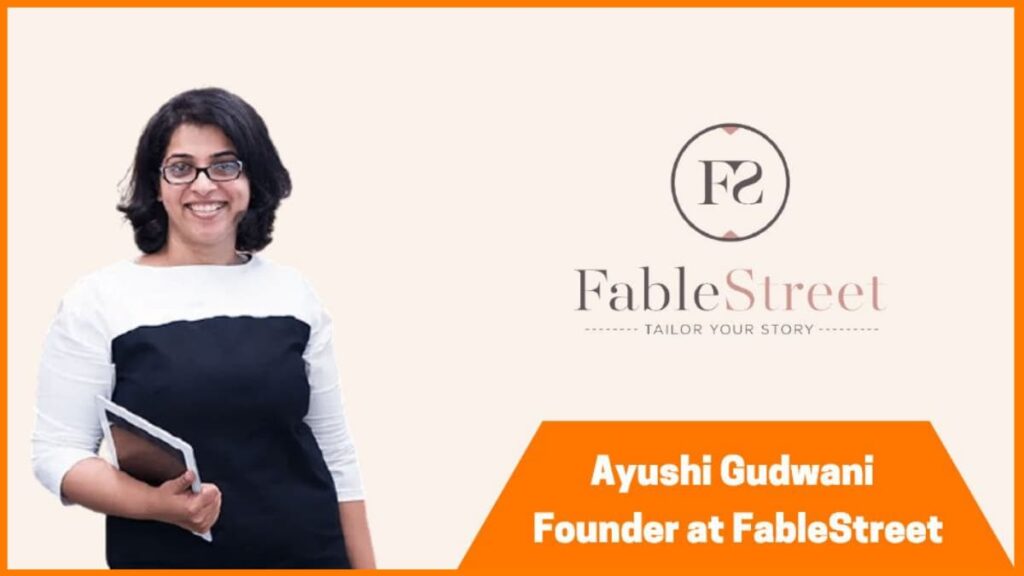
Workwear tailored for Indian body types, with fit guarantees and elevated basics.
Lesson: Niche down to win—own a use-case (workwear) and body profile.
Tanvi Malik & Shivani Poddar — FabAlley & Indya
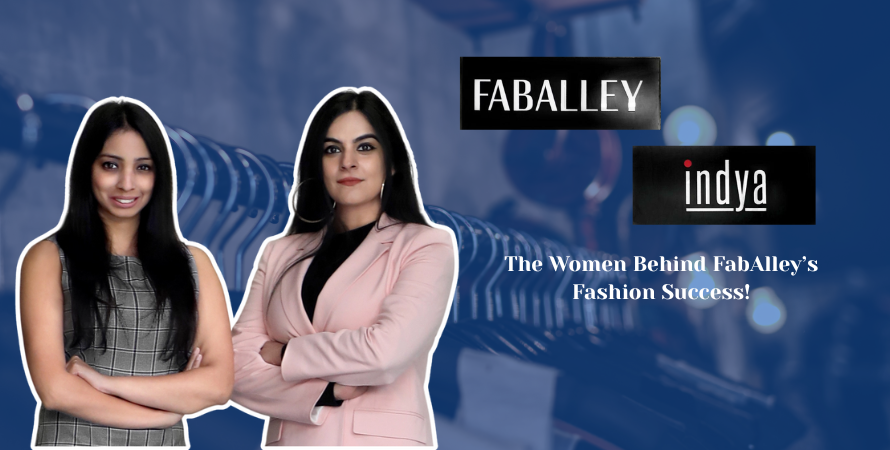
They fused fast fashion with ethnic silhouettes, moving quickly from trend spotting to on-shelf.
Lesson: Speed is strategy—shorten the design-to-drop cycle.
Disha Singh — Zouk
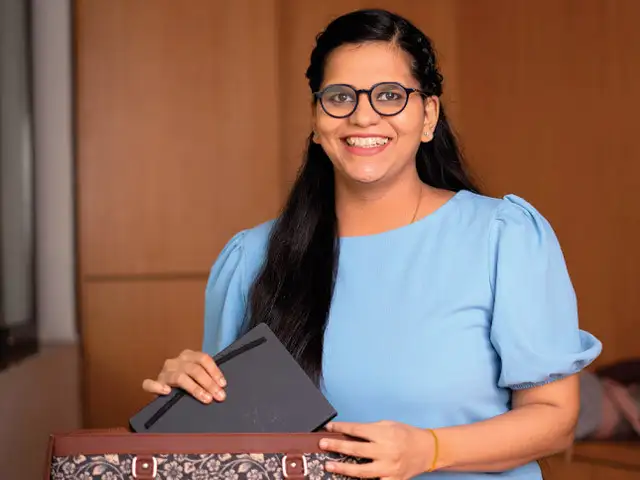
PETA-approved vegan bags and wallets inspired by Indian prints; proudly “Made in India” with a D2C-first brand voice.
Lesson: Make values visible—materials, artisanship, and design DNA.
Shubhra Chadda — Chumbak
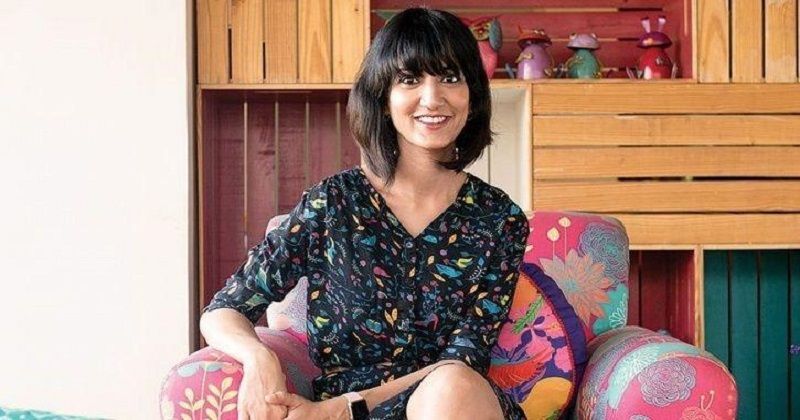
From quirky souvenirs to a lifestyle brand, Chumbak mastered visual identity and offline experience.
Lesson: Design consistency (colors, motifs, stores) builds instant recall.
Food, Kids & Wellness
Shauravi Malik & Meghana Narayan — Slurrp Farm
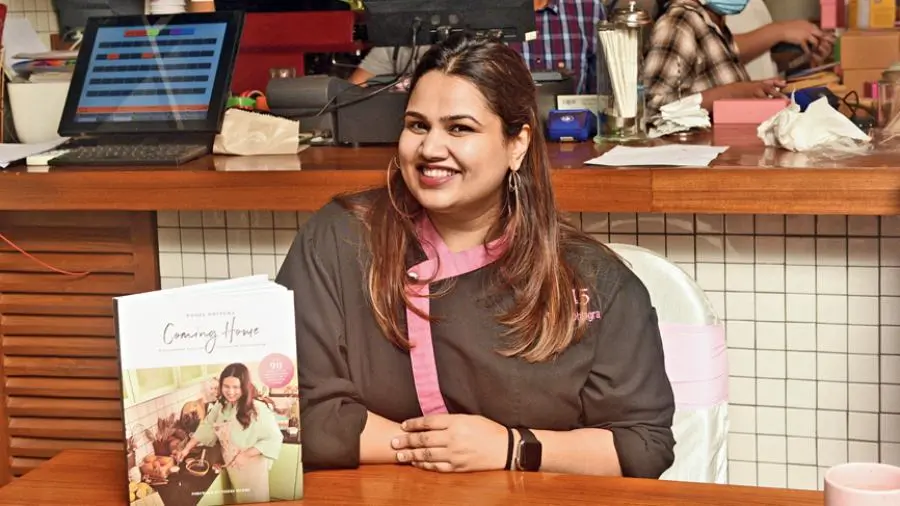
Millet-based kids’ foods turned grandmothers’ recipes into modern, clean-label products.
Lesson: If tradition is your USP, modernize format and packaging.
Pooja Dhingra — Le15
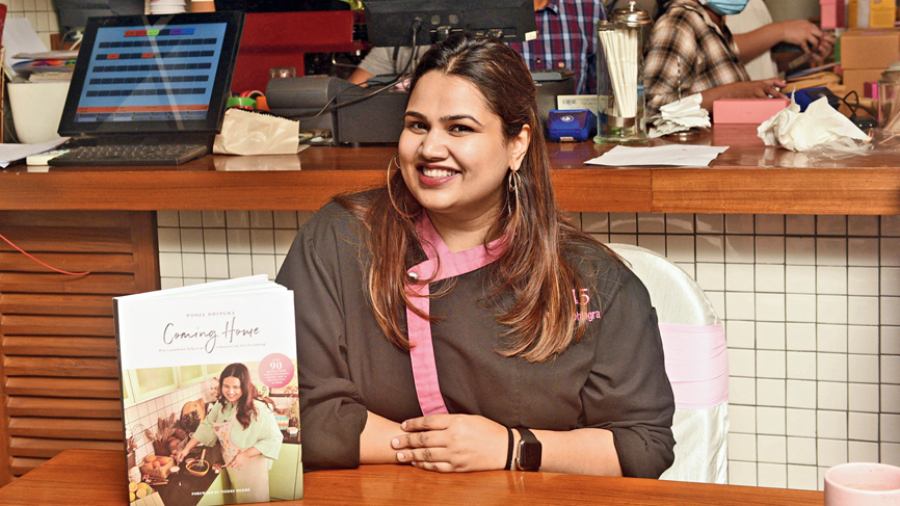
From a patisserie to a dessert brand with cookbooks, kits, and collabs—Le15 humanizes premium with approachable content.
Lesson: Founder-as-creator: teach, share, include your audience in the craft.
The India D2C Growth Playbook (you can steal this)
1) Nail the problem, then the positioning
- One-line promise (benefit-led): “Matte lipstick that lasts 12 hours in Indian humidity.”
- Proof: clinical tests, before/after, UGC, and expert explainers.
2) Build a high-converting product page
- 5 key blocks: Value prop → Social proof → Ingredients/Fit/Specs → How-to → FAQs.
- Always-on experiments: hero image variant tests, trust badges above the fold, delivery timelines visible pre-checkout.
3) Balance channel mix early
- Own site (D2C): control of margins, data, and LTV.
- Marketplaces: discovery and scale; use them to validate SKUs and harvest demand you later retarget to D2C.
- Offline: pop-ups/modern trade for trial-heavy categories.
4) Win CAC with content, creators & community
- Micro-influencers for authenticity; creators with tutorial formats for education-heavy products.
- Encourage review videos + “dupes vs. yours” comparisons.
- Build a private WhatsApp or community for early drops and feedback.
5) Fix retention before chasing scale
- Onboarding email/SMS flows tied to what the customer actually bought (shade, size, use-case).
- Replenishment nudges based on real consumption windows.
- Bundles that reduce decision fatigue (e.g., “Office Essentials Set”).
6) Merchandising & SKU discipline
- Hero–Core–Bet portfolio:
- Hero (top 5% SKUs): max visibility, never stockout.
- Core: stable 60–70% of revenue; protect margins.
- Bet: small-scale trials; kill quickly if velocity lags.
7) Logistics built for Indian realities
- COD-smart rules (enable but require OTP/prepaid for high return pincodes).
- Clear size/fit/ingredient info reduces returns.
- Promise dates specific to pin code at PDP and checkout.
8) Pricing & promotions
- Everyday fair pricing > perpetual discounts.
- Time-bound spikes (festive drops, EOSS) with limited-edition packaging to lift AOV without training customers to wait for sales.
9) Compliance & claims
- Especially for beauty/nutrition: display testing standards, certifications, and ingredient sourcing. Trust is currency.
Brand voice: human, not corporate
Women-led brands often sound like a friend who knows her stuff. Try this voice kit:
- Tone: clear, empathetic, practical (“Here’s what worked for 10,000 customers with oily skin.”)
- Vocabulary: explain ingredients or fabrics in plain English (and Indian languages where relevant).
- Content formats: 30-sec “how to”, 3-slide ingredient explainers, UGC stitches, founder diaries.
Common pitfalls (and fixes)
- Pitfall: Trend-chasing leads to bloated SKUs.
Fix: Monthly SKU audit: retire the slowest 10%, double down on the fastest 10%. - Pitfall: High COD returns.
Fix: Prepaid incentives, try-before-you-buy for sizes, clear fit tools. - Pitfall: Gorgeous brand, weak unit economics.
Fix: Track contribution margin by channel; cap paid CAC to a % of 60-day gross margin. - Pitfall: One big influencer splash, then silence.
Fix: Always-on, micro-creator pipeline + community AMAs with the founder.
Quick founder toolstack
- Listening: Instagram comments, reviews, WhatsApp groups, Typeform for NPS.
- Analytics: Cohorts, contribution margin by channel, SKU velocity by region.
- Ops: Pin-code level SLA dashboards; returns reasons tagged to PDP fixes.
Growth: UGC seeding workflow, creator CRM, referral engine.
 "Bihar CM Transfers ₹10,000 Each to 2.5 Million Women Under Mukhyamantri Mahila Rojgar Yojana")