

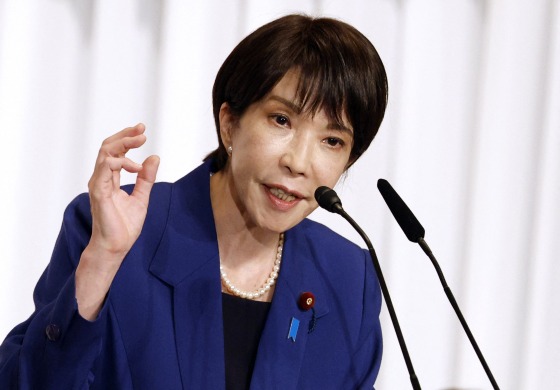

Japan marked a turning point in its history as Sanae Takaichi officially became the country’s first female Prime Minister, breaking a political tradition that had long excluded women from its highest office. The atmosphere in Tokyo was electric, filled with both pride and anticipation, as the world watched this milestone moment unfold.
During her first days in office, Takaichi engaged in high-level discussions with the United States, emphasizing Japan’s role as a strong economic and strategic partner in the Indo-Pacific region. Alongside new trade and security agreements, her leadership has already become a symbol of progress for women across Asia, many of whom see her victory as proof that barriers can finally be broken.
Her appointment, however, carries both promise and challenge. Japan has one of the widest gender gaps among developed nations, particularly in corporate leadership and parliamentary representation. Takaichi’s rise to power now shines a spotlight on those inequalities and fuels conversations about how quickly true parity can be achieved.
International observers have praised her as a pragmatic yet bold leader, combining conservative discipline with a clear vision for gender inclusion. Across Japan, young women have expressed renewed hope, inspired by the idea that leadership roles are not defined by gender but by ability and determination.
This political shift has global resonance. As the world grapples with crises of representation and equality, Japan’s historic leadership moment offers both inspiration and challenge, a reminder that women’s voices belong not just in policy discussions but in shaping the destiny of nations.


 "Bihar CM Transfers ₹10,000 Each to 2.5 Million Women Under Mukhyamantri Mahila Rojgar Yojana")