
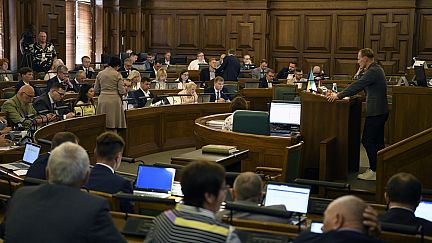

A dramatic political shift in Latvia has sparked unusually large public mobilization in support of women’s rights. After parliament voted to withdraw from the Istanbul Convention , a key European treaty designed to prevent violence against women , tens of thousands turned out in rallies across cities.
The pull-out, driven by nationalist and conservative factions, has raised turmoil within the ruling coalition and concern from international observers. Advocacy group Marta Center called the protests “the largest civic moment since independence.”
With Latvia already recording one of the highest femicide rates in Europe, the move is seen as a major regression.
President Edgars Rinkēvičs has asked lawmakers to review the decision, though lacks veto power. Meanwhile the convention’s defenders warn of the chilling signal this sends to victims and survivors of gender-based violence.
In the struggle for women’s safety and dignity, legal frameworks matter, but so does public vigilance. Latvia’s episode shows how fragile those frameworks can be when politics override protection. The coming weeks will test whether this moment becomes a turning point or a backward drift.


 "Bihar CM Transfers ₹10,000 Each to 2.5 Million Women Under Mukhyamantri Mahila Rojgar Yojana")