
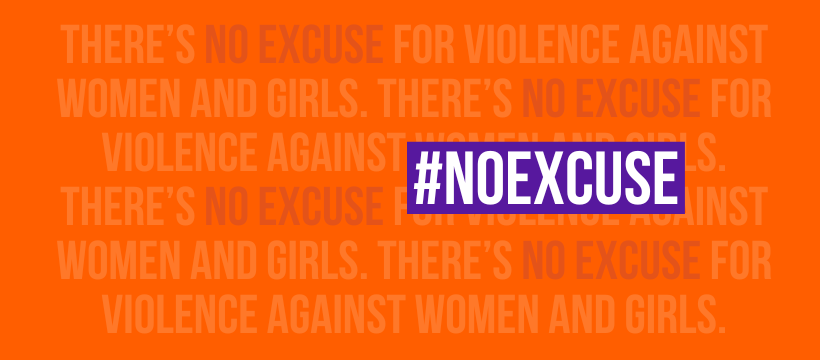

As the world prepares for the annual 16 Days of Activism Against Gender-Based Violence, the United Nations is sounding an urgent alarm about the rising threats women face across every aspect of their lives , not only in their homes, workplaces, and public spaces, but increasingly in the digital world as well.
This global campaign, observed from 25 November to 10 December, serves as a powerful reminder that violence against women is not just a social issue but a deeply entrenched public health crisis and one of the most widespread human rights violations of our time.
Despite decades of advocacy and progress, the scale of the problem remains staggering. The World Health Organization reports that nearly one in three women worldwide will endure physical or sexual violence in their lifetime , a statistic that reflects not individual incidents, but a systemic failure to protect women’s safety, dignity, and equality. And now, with the rapid expansion of online spaces, a new battleground has emerged.
Cyberstalking, non-consensual image sharing, online harassment, and coordinated digital abuse campaigns have created an environment where women, especially activists, journalists, and young girls, are targeted relentlessly. This digital violence often spills into real-world harm, making it even more insidious and harder to escape.
In response, the UN is urging governments, technology companies, and civil society to break their silence and sharpen their actions. Governments must strengthen laws, close loopholes, and ensure that survivors have accessible pathways to justice.
Tech companies need to take far greater responsibility by enforcing safety standards, tracking harmful patterns, and holding abusers accountable on their platforms. Communities, too, have a crucial role , from supporting survivors with empathy and resources, to challenging the harmful stereotypes and social norms that allow violence to persist.


 "Bihar CM Transfers ₹10,000 Each to 2.5 Million Women Under Mukhyamantri Mahila Rojgar Yojana")