
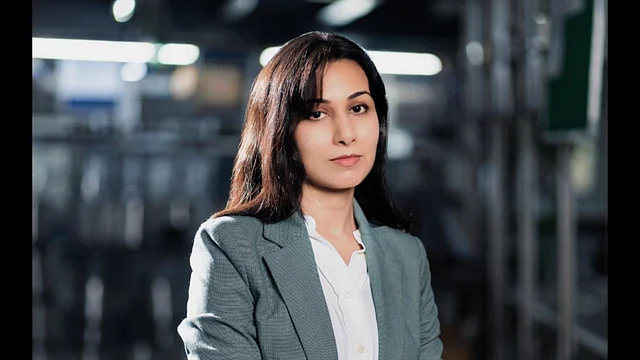

Serial entrepreneur Neha Juneja believes that the way women founders are often represented in the startup ecosystem may actually hold them back rather than help them. According to her, token recognition and the constant emphasis on gender can shift attention away from what truly matters — the business itself.
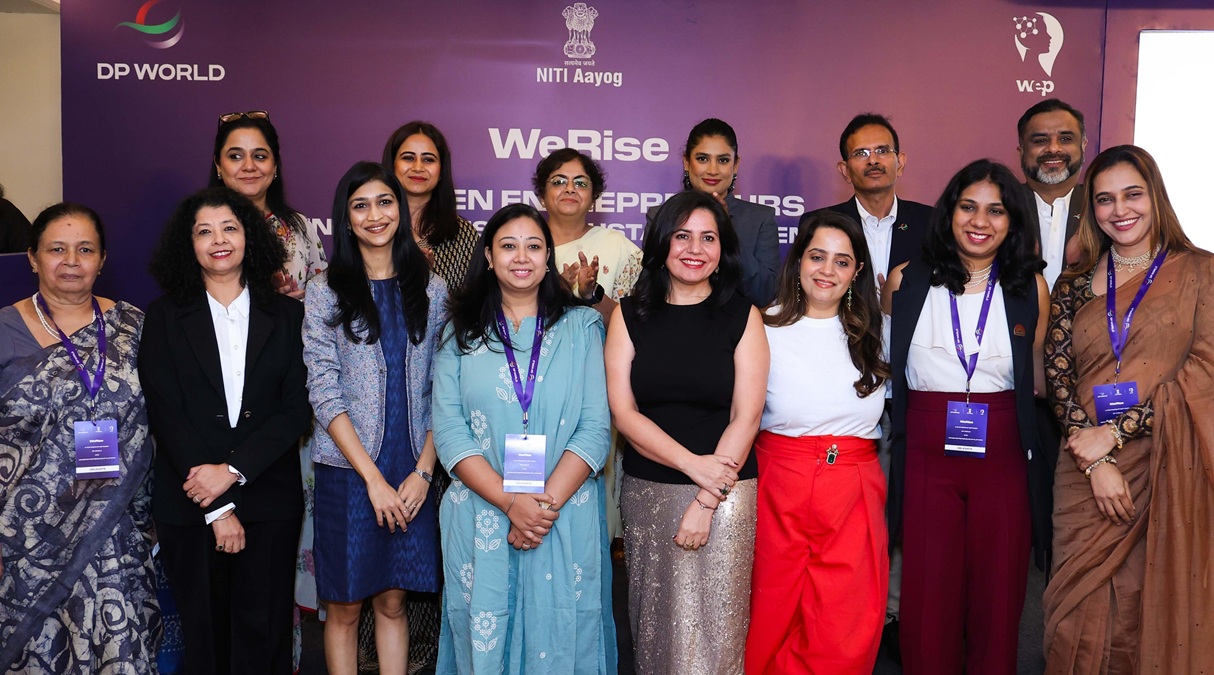
Speaking in an interview with Outlook Business, Juneja pointed out that when women founders receive public visibility, they are frequently introduced primarily as “women entrepreneurs” instead of simply entrepreneurs. She argued that this framing changes the focus of conversations at events and panels. Instead of discussing the company’s strategy, product, or growth plans, the discussion often turns toward personal experiences or gender-related topics.
Juneja said that speaking engagements are valuable opportunities for founders to explain their business models and connect with investors or partners. However, she finds that many events organised around gender end up highlighting identity rather than innovation. In her view, this kind of representation reduces women’s achievements to a separate category rather than placing them on equal footing with their peers.
Funding gap remains the bigger challenge
While representation in the startup ecosystem has improved over the years, Juneja believes the real problem lies in access to funding. According to her, the number of women starting businesses may not be as low as commonly assumed, but the capital they receive is disproportionately small.
She highlighted that venture capital funds rarely disclose detailed data on how much investment goes to male versus female founders. Even when women account for a share of founders, the funding distribution can be dramatically skewed. In many cases, women-led startups receive only a tiny fraction of the available capital.
To address this imbalance, Juneja suggested that investment firms should begin tracking and reviewing gender-based funding data internally. By measuring how capital is allocated, investors may become more aware of unintentional biases in their pipeline and decision-making processes.
Separate funds may not solve the problem
Juneja also weighed in on the debate over whether women-focused venture funds are the right solution. In her opinion, such funds can unintentionally reinforce segregation in the startup ecosystem.
She argued that women should have access to the same capital pools as everyone else rather than being limited to smaller, specialised funds. If women-focused funds become the main source of funding, other investors may assume that supporting women entrepreneurs is someone else’s responsibility, leaving the broader system unchanged.
Social expectations still shape careers
Beyond funding challenges, Juneja believes deeper societal expectations also limit women’s participation in entrepreneurship and the workforce. She noted that many women are expected to manage both professional responsibilities and the majority of household work.
This imbalance, she said, discourages some women from pursuing independent careers or scaling businesses. Even when workplaces become more supportive, traditional expectations at home often remain unchanged.
Economic impact of low female participation
Juneja emphasised that increasing women’s participation in the workforce is not only a matter of equality but also of economic growth. Many countries with comparable economies have significantly higher female workforce participation rates.
Without a larger share of women entering the workforce or starting businesses, she warned, India’s economic growth potential could remain limited. Encouraging entrepreneurship among women and ensuring fair access to capital could therefore have a broader impact on the country’s development.
Ultimately, Juneja believes the conversation should shift away from symbolic representation and toward structural change. Equal access to capital, more inclusive investor networks, and evolving social norms could make a greater difference than token gestures.



 "Bihar CM Transfers ₹10,000 Each to 2.5 Million Women Under Mukhyamantri Mahila Rojgar Yojana")