


Starting a business is rarely easy. For women, it can often be even harder.
Access to funding, mentorship, networks and opportunities continues to remain uneven, even as more women step into entrepreneurship across the world. That is why initiatives designed to support them are becoming increasingly important.
British Indian entrepreneur Nisha Paul has recently brought renewed attention to this issue by spotlighting the work of the Cherie Blair Foundation for Women, an organisation focused on helping women entrepreneurs build and sustain successful businesses.
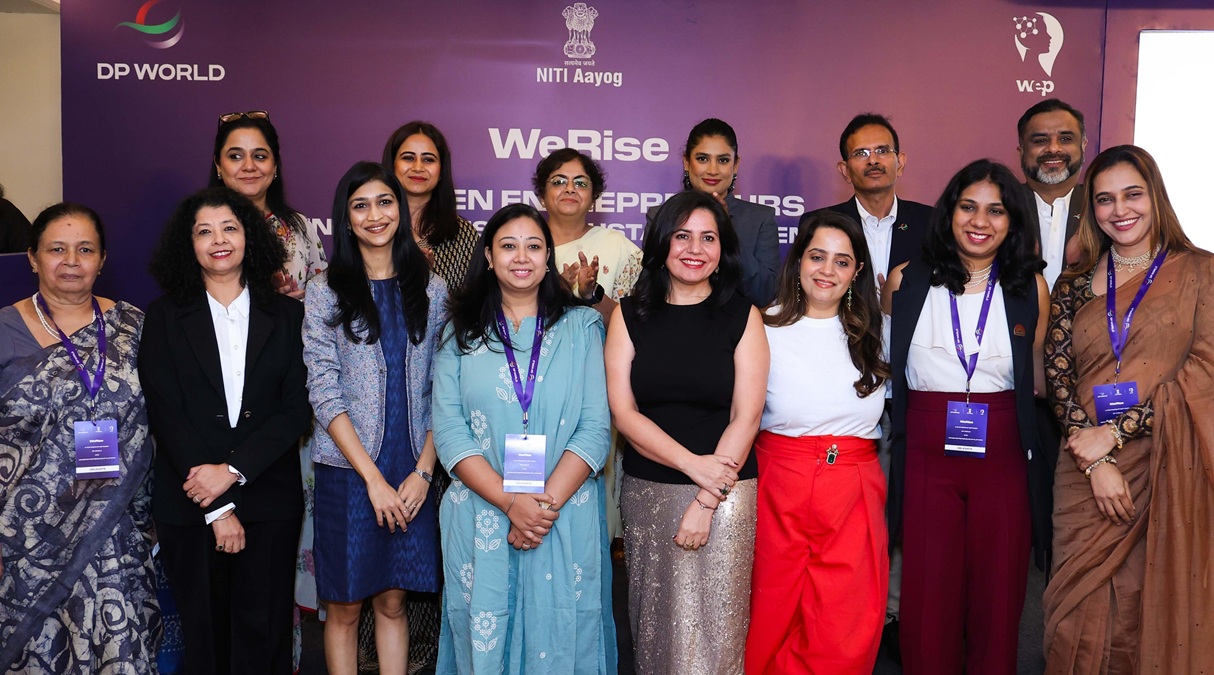
The event, held in London, was more than a formal gathering. It was a reminder of how much progress has been made and how much still remains to be done when it comes to women’s economic empowerment.
For Nisha Paul, the effort also carries a personal connection. In many ways, it continues the legacy of her late father-in-law, Lord Swraj Paul, who spent decades building bridges between India and the United Kingdom through industry and philanthropy.
But this moment is not just about family legacy. It is about recognising a larger truth.
Across countries like India, thousands of women start businesses every year, often balancing social expectations, financial constraints and structural barriers at the same time. While talent and ambition are rarely in short supply, support systems often are.
That gap is where mentorship becomes powerful.
The Cherie Blair Foundation has focused on helping women gain access to skills, networks and confidence, resources that are often as valuable as capital itself. For many entrepreneurs, guidance from someone who has navigated similar challenges can change the direction of a business entirely.
What makes this conversation particularly relevant now is the changing face of entrepreneurship itself. More women are entering industries that were once heavily male dominated, from technology and manufacturing to wellness and global trade. But visibility alone does not guarantee equality.
Many still struggle with securing investments, expanding into larger markets or balancing business growth with societal expectations.
Initiatives like these aim to close that gap by creating ecosystems rather than isolated opportunities.
And that matters, because when women succeed in business, the impact often extends far beyond personal gain. Families benefit, communities grow stronger and local economies become more resilient.
At its heart, this story is less about a single event and more about a larger movement.
It is a reminder that empowering women entrepreneurs is not just about helping them start. It is about helping them sustain, scale and thrive.
Because sometimes the biggest barrier to success is not the lack of an idea. It is the lack of support.



 "Bihar CM Transfers ₹10,000 Each to 2.5 Million Women Under Mukhyamantri Mahila Rojgar Yojana")